
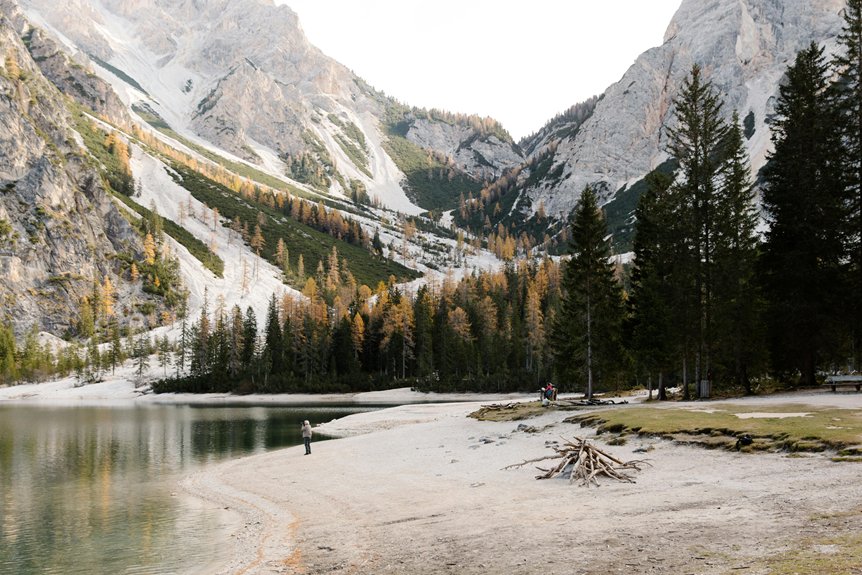
Camping season isn’t a one-size-fits-all experience; it varies widely depending on where you are. Understanding when to hit the trails or set up camp can enhance your outdoor adventure greatly. Factors like climate, terrain, and local weather patterns all play a role in determining the best time to camp. So, what should you consider before packing your gear and heading out? Let’s explore the seasonal guide to maximize your camping experience.
Understanding Camping Seasons by Region
When you’re planning a camping trip, understanding the seasons in your region can make all the difference in your experience. Different areas offer unique challenges and opportunities depending on the time of year.
For instance, if you’re in the northern states, summer may be your prime season, while spring and fall can bring unpredictable weather. In contrast, southern regions often enjoy mild winters, making camping possible year-round.
Coastal areas might see peak seasons influenced by tourist traffic, while mountainous regions could require you to take into account snowpack and trail accessibility. Additionally, investing in a portable alarm can enhance your safety during these adventures.
Factors Influencing Camping Season Start
As you gear up for your next camping adventure, several factors can influence when the camping season officially kicks off in your area. Weather conditions are paramount; warmer temperatures and reduced precipitation often signal the start of camping.
Local climate patterns, including snowmelt and rainfall, also play a significant role. Additionally, the type of terrain you plan to explore matters—mountainous regions may require more time to thaw than flatlands.
Accessibility is another key factor; some campsites may remain closed until roads are cleared and facilities are ready.
Finally, local wildlife activity can affect your timing—certain seasons bring increased animal activity, which you might want to contemplate for safety. By paying attention to these factors, you can maximize your camping experience.
Popular Camping Destinations and Their Timelines
With the camping season approaching, it’s time to explore some popular destinations that cater to outdoor enthusiasts.
Yosemite National Park opens its campsites in mid-April, perfect for enjoying breathtaking waterfalls and stunning vistas.
If you’re drawn to mountains, consider Rocky Mountain National Park, where campgrounds welcome visitors starting in late May.
For a coastal experience, head to Acadia National Park, opening its campsites around Memorial Day weekend—ideal for hiking and ocean views.
Don’t forget about the Great Smoky Mountains, which opens its campgrounds in March, offering early bloomers and mild weather.
Each destination has its unique charm and timeline, so plan ahead to make the most of your adventure!
Weather Patterns and Their Impact on Camping
Understanding weather patterns is essential for a successful camping trip, especially since conditions can change rapidly in the great outdoors.
Before you head out, check forecasts for temperature, precipitation, and wind conditions. Warm days can turn chilly at night, so pack layers to stay comfortable. Sudden rainstorms can dampen your plans, so consider a weather-resistant tent and waterproof gear.
Be aware of local climate trends; some regions may have unpredictable weather that can impact your itinerary. Staying informed allows you to adapt your plans and enjoy your experience fully.
Keep an eye on the sky for signs of changing weather, and don’t hesitate to alter your activities if conditions become unsafe. Your safety and enjoyment depend on it.
Spring Camping: Pros and Cons
Camping in spring offers a unique blend of benefits and challenges that can enhance your outdoor experience. One major advantage is the vibrant scenery, as flowers bloom and wildlife becomes more active. You’ll enjoy fewer crowds at campsites, giving you more peace and solitude.
However, spring weather can be unpredictable. You might face rain, chilly nights, or even sudden snow in some areas, so packing appropriately is essential. Additionally, you should be aware of lingering bugs, like mosquitoes, as temperatures rise.
Ultimately, spring camping can be rewarding if you’re prepared for both the beauty and the elements. By planning wisely, you can make the most of this shifting season and create memorable outdoor adventures.
Summer Adventures: Peak Camping Season
As summer arrives, the allure of the great outdoors beckons adventurers to embrace peak camping season. This is the time when campgrounds buzz with excitement and nature comes alive.
You’ll find longer daylight hours perfect for hiking, swimming, and exploring. Whether you prefer pitching a tent by a serene lake or parking your RV at a bustling campground, summer offers endless opportunities for fun.
Pack your essentials like sunscreen, insect repellent, and plenty of water to stay hydrated. Don’t forget to reserve your spot early, as popular locations fill up quickly.
With vibrant landscapes, warm weather, and a sense of adventure in the air, summer camping creates memories that last a lifetime. Immerse yourself in nature and make the most of this thrilling season!
Fall Camping: Enjoying the Changing Leaves
With summer adventures winding down, fall camping offers a unique opportunity to experience nature’s breathtaking transformation. As the leaves change from vibrant greens to stunning reds, oranges, and yellows, your surroundings become a picturesque canvas.
Take advantage of cooler temperatures by hiking through trails adorned with colorful foliage. The crisp air invigorates your senses, making campfires even cozier as you gather around to share stories.
Don’t forget to pack layers, as fall nights can get chilly. This season also brings fewer crowds, allowing you to fully immerse yourself in the tranquility of nature.
Bring your camera to capture those stunning landscapes and enjoy seasonal treats like apple cider. Fall camping is truly a magical experience not to be missed!
Winter Camping: Embracing the Cold
While many shy away from the cold, winter camping can offer an exhilarating escape into a serene, snow-covered wonderland. You’ll experience the beauty of crisp air, glistening frost, and the peacefulness that comes with a landscape blanketed in white.
Imagine cozying up by a crackling fire under a starlit sky, with the soft crunch of snow underfoot. Winter camping also provides unique opportunities for activities like snowshoeing or cross-country skiing, allowing you to explore stunning trails in solitude.
Plus, the chance to witness wildlife in their winter habitats is a rare treat. Embracing the cold not only challenges your limits but also rewards you with unforgettable memories and breathtaking views that are only available during the winter months.
Tips for Planning Your Camping Trip
When planning your camping trip, it’s essential to contemplate several key factors to guarantee a smooth and enjoyable experience.
First, choose the right location based on your preferences—consider proximity to water, hiking trails, and amenities.
Next, check the weather forecast to pack accordingly; layers are your best friend.
Make a detailed packing list that includes essentials like a tent, sleeping bag, food, and first-aid supplies.
Don’t forget to reserve your campsite in advance, especially during peak seasons.
Finally, make sure you understand the regulations of your chosen site, including fire restrictions and wildlife safety.