






If you’re seeking an escape from crowded campgrounds and a deeper connection with nature, dispersed camping might be just what you need. This unique style of camping allows you to set up in undeveloped areas, but it also requires careful planning and consideration. Understanding the essentials of dispersed camping can enhance your experience considerably. Ready to explore what this adventurous outdoor option entails? Let’s uncover the details you’ll need for a successful trip.
Understanding Dispersed Camping
Dispersed camping offers a unique way to immerse yourself in nature, away from crowded campsites and commercial campgrounds. It involves setting up camp in undeveloped areas, often on public land, where you can enjoy solitude and tranquility.
You’ll find that this type of camping allows you to choose your own spot, whether it’s by a serene lake or nestled among towering trees. Unlike traditional campgrounds, dispersed sites lack amenities like restrooms and water, so you’ll need to come prepared with your gear and supplies.
Understanding the principles of Leave No Trace is essential, as it helps you minimize your impact on the environment. By embracing dispersed camping, you connect deeply with the wilderness, creating unforgettable memories in breathtaking landscapes. Additionally, having a portable alarm can enhance your safety by providing an early warning system against potential threats while enjoying the outdoors.
Benefits of Dispersed Camping
Camping in undeveloped areas comes with a host of benefits that enhance your outdoor experience.
You’ll enjoy a deeper connection to nature, surrounded by breathtaking landscapes and the soothing sounds of wildlife. This solitude allows you to escape the noise of everyday life, promoting relaxation and mindfulness.
Plus, dispersed camping often means fewer crowds, giving you the freedom to choose your perfect camping spot. You can set up camp wherever you please, allowing for a more personalized adventure.
Additionally, it’s usually more budget-friendly, as many sites are free or low-cost. Embracing this style of camping fosters a sense of adventure and self-sufficiency, empowering you to navigate and explore the great outdoors on your terms.
Where to Find Dispersed Camping Locations
Wondering where to find the perfect spot for your next dispersed camping adventure? Start by checking out the U.S. Forest Service and Bureau of Land Management websites; they often list designated dispersed camping areas.
Mobile apps like Campendium and iOverlander can help you discover hidden gems based on user reviews and photos. Don’t forget to explore national parks and wilderness areas, where you might find off-the-beaten-path sites.
Local ranger stations can also provide valuable insights about current conditions and regulations. Finally, consider asking fellow campers for recommendations—there’s a wealth of knowledge in the camping community.
With a bit of research, you’ll find the ideal location to connect with nature and enjoy solitude. Happy camping!
Essential Gear for Dispersed Camping
Finding the right gear can make or break your dispersed camping experience. Start with a sturdy tent that’s easy to set up and protects against the elements.
A comfortable sleeping bag rated for the season’s temperatures will guarantee a good night’s sleep. Don’t forget a reliable sleeping pad for insulation and comfort.
A portable stove or campfire setup lets you cook warm meals, while a durable cooler keeps your food fresh. Bring a good-quality water filter or purification tablets for safe drinking water.
Always pack a first aid kit, a multi-tool, and a reliable flashlight or headlamp.
Finally, consider weather-appropriate clothing and sturdy hiking boots to keep you safe and comfortable on your adventures.
Happy camping!
Leave No Trace Principles
As you venture into the great outdoors for your dispersed camping experience, embracing the Leave No Trace principles is essential for preserving the beauty of nature.
Start by planning ahead; choose durable surfaces for your campsite to minimize impact. When you arrive, set up away from water sources to protect wildlife habitats.
Make sure to pack out all trash, leftover food, and personal items—you want to leave the area cleaner than you found it. Use biodegradable soap and avoid washing dishes in streams.
Respect wildlife by observing from a distance, and don’t feed animals. Finally, stay on established trails to prevent soil erosion.
Regulations and Permits for Dispersed Camping
Before you head out for a dispersed camping adventure, it’s crucial to familiarize yourself with the regulations and permits that may apply to your chosen location. Many national forests and Bureau of Land Management areas allow dispersed camping, but rules can vary widely.
Some sites might require a special permit, while others may have specific camping restrictions. Check for fire regulations, as campfires might be prohibited during dry seasons.
Also, pay attention to stay limits—typically, you can camp for up to 14 days in one spot. Always consult the official website or local ranger station before your trip.
Being informed not only keeps you safe but also helps preserve the natural beauty you’re there to enjoy.
Safety Tips for Dispersed Camping
Dispersed camping can be an exhilarating way to connect with nature, but safety should always be your top priority.
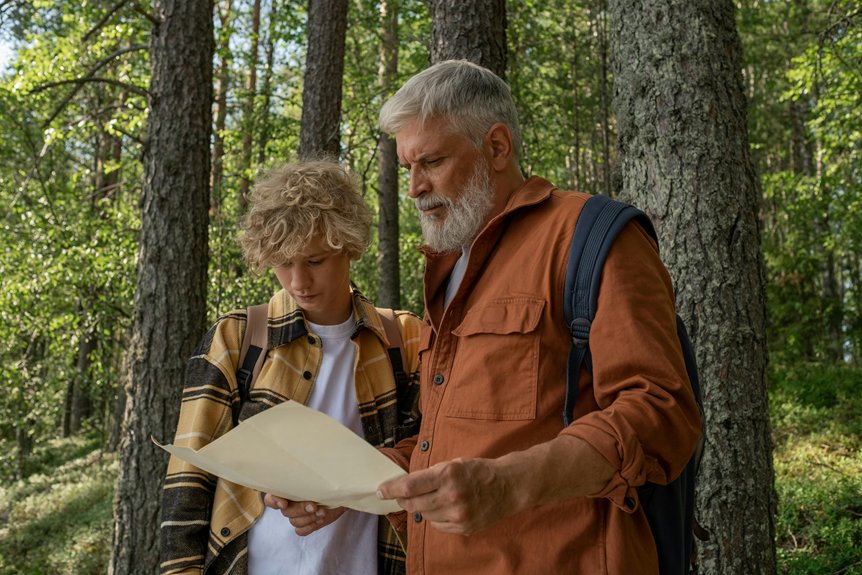
Before you head out, tell someone your plans, including where you’ll be and when you expect to return. Always carry a map and a reliable GPS device, since cell service can be spotty in remote areas.
Keep a first aid kit on hand and know how to use the items inside it. Be aware of wildlife; store food securely to avoid attracting animals.
Finally, check the weather forecast and be prepared for sudden changes. By taking these precautions, you’ll enhance your experience and guarantee a safer, more enjoyable adventure in the great outdoors.
Happy camping!
Planning Your Dispersed Camping Trip
When you’re ready to commence your dispersed camping adventure, proper planning can make all the difference. Start by researching your destination; look for suitable areas that allow dispersed camping and check local regulations.
Make a list of essential gear, including a tent, cooking supplies, and safety equipment. Always pack enough food and water, as amenities may be scarce.
Consider the weather and prepare accordingly with appropriate clothing and gear. Familiarize yourself with the terrain and set up camp at least 200 feet from water sources to protect wildlife.
Finally, inform someone of your plans and expected return, ensuring safety. With thorough preparation, you’ll be set for an unforgettable experience in nature’s embrace.


Christopher Joseph

Christopher Joseph writes for USA Self Defense Centers, covering personal safety, martial arts, tactical preparedness, and self-defense products. His background includes training in Brazilian Jiu-Jitsu, Muay Thai, Krav Maga, Escrima, and tactical defense, along with an education in criminal justice as well as communications. He combines this practical and academic experience to provide clear, lawful guidance that helps readers make informed decisions about protecting themselves and their families.