





Think of your camping trip as a puzzle where each piece is vital for the big picture. To guarantee a successful outing, you’ll need to gather the right gear and supplies tailored to your adventure. From selecting the perfect shelter to packing essential cooking tools, every choice matters. Let’s explore what you should take along to make your experience enjoyable and safe. After all, being prepared is half the journey.
Choosing the Right Shelter
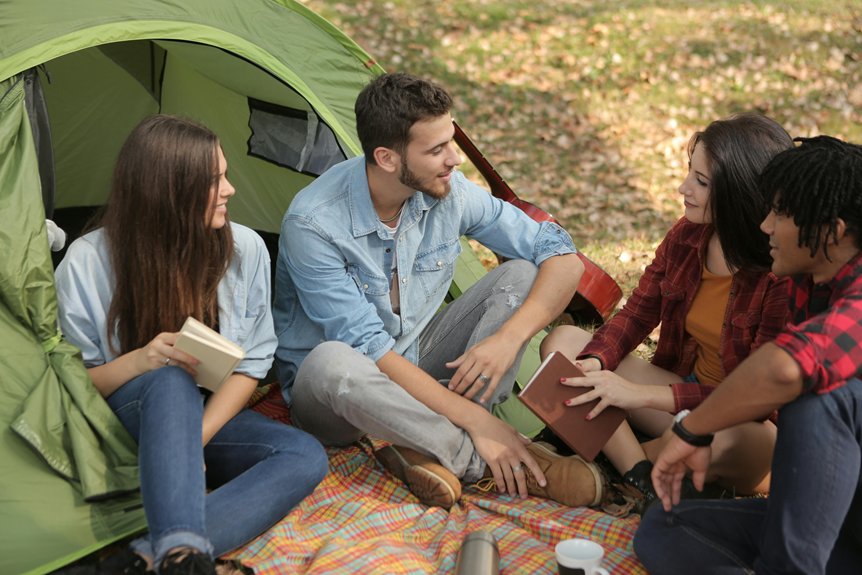
When it comes to camping, selecting the right shelter is essential for a comfortable and enjoyable experience. You’ll want to evaluate factors like size, weight, and weather conditions.
If you’re hiking to your campsite, a lightweight tent or hammock might be your best bet. For family trips, a spacious tent with multiple rooms can provide much-needed privacy and comfort.
Don’t forget to check for waterproof materials and good ventilation. Also, assess how easy it’s to set up; you don’t want to struggle after a long day of hiking.
Finally, think about your camping style—whether you prefer traditional tents, pop-ups, or even a cozy cabin, choosing the right shelter can make all the difference in your outdoor adventure. Consider supplementing your shelter with a portable alarm for added security against wildlife and unwanted humans.
Essential Cooking Gear
While you’re planning your camping trip, don’t overlook the importance of having the right cooking gear. Start with a portable stove or a campfire cooking setup, ensuring you have a reliable heat source. Don’t forget fuel if you’re using a stove!
Pack lightweight cookware, like pots and pans, and consider a multi-tool for versatility. Bring utensils such as spatulas, tongs, and a cutting knife. A sturdy cutting board is essential for meal prep.
Additionally, include biodegradable soap for cleaning dishes and a drying cloth. For food storage, opt for airtight containers or a cooler to keep perishables fresh.
Finally, pack a mess kit for easy eating. With the right gear, cooking outdoors can be enjoyable and hassle-free!
Clothing and Footwear Considerations
Packing the right clothing and footwear can make or break your camping experience, as it directly affects your comfort and safety. Start with moisture-wicking base layers to keep you dry, and don’t forget a warm insulating layer for chilly nights.
Waterproof and windproof outer layers are essential, especially if rain is in the forecast. Choose durable, quick-drying pants and shirts that can withstand the outdoors.
For footwear, invest in sturdy hiking boots or shoes with good traction to prevent slips and blisters. Bring extra pairs of socks to keep your feet dry.
A wide-brimmed hat and sunglasses protect you from the sun, while gloves can be handy for cooler evenings. Layering is key, so you can adjust to changing weather conditions easily.
Personal Items and Toiletries
To guarantee a comfortable camping experience, don’t overlook the importance of personal items and toiletries. Pack travel-sized toiletries like shampoo, conditioner, soap, and toothpaste to keep your hygiene routine intact.
Don’t forget a toothbrush, comb, and any skincare products you regularly use. Consider bringing biodegradable soap for environmentally-friendly washing.
For comfort, include items like a towel, a washcloth, and toilet paper. If you’re camping in a remote area, a portable toilet or trowel for digging a hole might be necessary.
Don’t underestimate the value of insect repellent and sunscreen to protect your skin from the elements. Finally, a small first-aid kit can help you tackle minor scrapes and irritations.
With these essentials, you’ll feel refreshed and ready for adventure!
Safety and First Aid Supplies
Once you’ve gathered your personal items and toiletries, it’s time to focus on safety and first aid supplies.
Start with a well-stocked first aid kit, including adhesive bandages, antiseptic wipes, gauze pads, and tweezers. Don’t forget pain relievers like ibuprofen or acetaminophen.
If you’re prone to allergies, pack antihistamines and any necessary prescription medications. Always carry insect repellent to ward off bites and a good sunscreen to protect your skin.
A multi-tool can be invaluable for various situations. Be sure to include a flashlight with extra batteries for emergencies.
Finally, familiarize yourself with basic first aid procedures; knowing what to do in a pinch can make all the difference in keeping your trip safe and enjoyable.
Food and Snacks for Your Trip
When planning your camping trip, selecting the right food and snacks is essential for keeping your energy up and ensuring everyone enjoys the experience.
Focus on easy-to-prepare meals, such as pre-packaged or freeze-dried options, which save space and reduce cooking time. Don’t forget to pack healthy snacks like trail mix, granola bars, and fresh fruits to keep morale high during hikes.
Consider your group’s dietary preferences and restrictions when choosing items. Also, bring along a cooler for perishables like meats and dairy.
Remember to pack enough water or a filtration system for hydration. Finally, plan a few treats like s’mores to make the trip memorable and fun!
Enjoy your time outdoors while fueling your adventures!
Navigation and Communication Tools
After loading up on your favorite snacks and meals, it’s time to assure you can navigate the great outdoors and stay connected with your group.
First, pack a reliable map and compass; they’re essential if you lose cell service. Consider downloading offline maps on your smartphone as a backup, but don’t solely rely on technology. A GPS device can also be beneficial for precise location tracking.
For communication, bring a fully charged portable charger and assure everyone has a way to contact each other, whether it’s walkie-talkies or a satellite phone.
Establish a meeting point in case anyone gets separated. By preparing these navigation and communication tools, you’ll tackle the wilderness confidently and keep your group safe and connected.
Camping Accessories and Extras
Packing the right camping accessories can make your outdoor experience more enjoyable and comfortable.
Don’t forget a quality multi-tool; it’s invaluable for various tasks, from food prep to gear repairs. A portable camping chair allows you to relax around the fire, while a compact, waterproof dry bag keeps your essentials safe and dry.
Bring a headlamp or flashlight for nighttime navigation, and pack extra batteries just in case. A lightweight tarp can provide shelter from rain or sun, and a compact first aid kit is essential for any minor injuries.
Consider a portable phone charger to keep your devices powered. These extras enhance your camping experience, ensuring you’re well-prepared for whatever nature throws your way.
Sustainable Camping Practices
How can you enjoy the great outdoors while minimizing your impact on the environment? Start by choosing eco-friendly gear, like biodegradable soap and reusable utensils.
Avoid single-use plastics by bringing your own water bottle and food containers. Respect wildlife by keeping a safe distance and not feeding animals; it’s vital for their safety and yours.
Stick to established trails to protect native plants and habitats. When it’s time to go, leave no trace by packing out all trash, leftover food, and personal items.
Finally, consider solar-powered gadgets to reduce your carbon footprint. By adopting these sustainable camping practices, you’ll not only enhance your experience but also help preserve the beauty of nature for future generations.
Enjoy your adventure responsibly!


Christopher Joseph

Christopher Joseph writes for USA Self Defense Centers, covering personal safety, martial arts, tactical preparedness, and self-defense products. His background includes training in Brazilian Jiu-Jitsu, Muay Thai, Krav Maga, Escrima, and tactical defense, along with an education in criminal justice as well as communications. He combines this practical and academic experience to provide clear, lawful guidance that helps readers make informed decisions about protecting themselves and their families.