

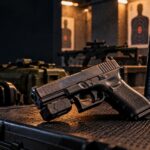





If you’re considering applying for a concealed carry license in California, it’s essential to understand the state’s specific laws and requirements. You’ll need to meet certain eligibility criteria and navigate a detailed application process. From fees to training courses, each step can impact your journey. So, what exactly do you need to know before you start? Let’s break it down.
Understanding California’s Concealed Carry Laws
Understanding California’s concealed carry laws can be daunting, especially since they vary significantly from federal regulations.
In California, carrying a concealed firearm requires a permit, which is often issued at the local level. You’ll need to familiarize yourself with your county’s rules, as they can differ widely.
The state mandates that you must demonstrate good cause for needing a permit, along with completing a firearms safety course. Additionally, you should be aware that certain restrictions apply, such as prohibitions on carrying in specific locations.
It’s vital to stay informed about any changes in legislation, as California’s laws can evolve and impact your ability to carry legally. Taking the time to understand these laws will help you navigate the process more effectively.
Eligibility Requirements for a Concealed Carry License
To qualify for a concealed carry license in California, you’ll need to meet specific eligibility requirements set by both state and local authorities.
First, you must be at least 21 years old and a legal resident of California. You’ll need to demonstrate good moral character, which often involves a background check. A felony conviction or certain misdemeanor offenses can disqualify you.
Additionally, you should have completed a state-approved training course in firearm safety and handling. Some counties may require you to show a specific need for carrying a concealed weapon, such as personal protection.
Always check local regulations, as they can vary significantly and may impose additional criteria. Meeting these requirements is essential for a successful application.
The Application Process: Step-by-Step Guide
Navigating the application process for a concealed carry license in California can feel overwhelming, but breaking it down into clear steps makes it manageable.
First, check your eligibility to ensure you meet all requirements. Next, gather necessary documents, including proof of residency and identification.
Then, contact your local law enforcement agency to obtain the application form. Complete the application accurately and thoroughly, as errors can delay the process.
After submitting your application, schedule an interview or appointment, where you’ll discuss your motivations and background.
Finally, prepare for a background check and any required training or safety courses. Stay patient throughout this process, as it may take time for approval, but following these steps will help streamline your journey.
Fees Associated With Obtaining a License
When applying for a concealed carry license in California, you’ll encounter several fees that can add up quickly.
First, expect to pay an application fee, which typically ranges from $100 to $300, depending on your county. Additionally, you might need to cover fingerprinting fees, usually around $50.
Some counties may also charge a background check fee, which can vary, so it’s wise to check local regulations. Don’t forget potential fees for obtaining required documents, like proof of residency or identification.
If you choose to take any additional courses or training, factor those costs in as well. Overall, budget accordingly to ensure you’re prepared for all expenses associated with securing your concealed carry license.
Training and Safety Courses: What You Need to Know
While pursuing a concealed carry license in California, completing a training and safety course is essential for both your application and your personal safety.
You’ll need to find a course that meets state requirements, typically offering instruction on firearm handling, safety protocols, and legal aspects of concealed carry. Most courses last a few hours and may include both classroom instruction and hands-on training.
Be sure to choose a course taught by a certified instructor, as this ensures you’re receiving accurate and up-to-date information.
Upon completion, you’ll receive a certificate, which you’ll need to submit with your application.
Renewing Your Concealed Carry License
To ensure you can continue carrying your firearm legally, it’s important to renew your concealed carry license before it expires. Typically, licenses in California need renewal every two years, but check with your local sheriff’s department for specific timelines.
Start the process early to avoid any lapses. You’ll need to complete a renewal application, which usually involves submitting updated personal information and paying a renewal fee.
Additionally, some jurisdictions may require you to retake a safety course or demonstrate proficiency with your firearm again. Once you’ve submitted everything, the processing time can vary, so don’t wait until the last minute.
Stay informed about any local requirements to ensure a smooth renewal process.
Important Considerations for Responsible Gun Ownership
Understanding the responsibilities that come with gun ownership is crucial for anyone considering a concealed carry license in California. You need to prioritize safety, which means securely storing your firearm and keeping it out of reach from children or unauthorized users.
Familiarize yourself with local laws and regulations, as they can vary widely. Continuous training is essential—not just for obtaining your license, but for ongoing competence and confidence in handling your weapon.
Be aware of the mental and emotional aspects of carrying a firearm; it’s not just about legality but about being prepared for high-stress situations. Lastly, always practice good judgment. You’re not just carrying a weapon; you’re carrying the responsibility of ensuring safety for yourself and others around you.
Conclusion
Getting a concealed carry license in California may seem daunting, but understanding the requirements and process can make it manageable. By meeting eligibility criteria, completing the necessary training, and being prepared for the fees, you can navigate the application smoothly. Remember, responsible gun ownership doesn’t just stop at obtaining a license; it involves continuous education and adherence to laws. Stay informed, stay safe, and enjoy the peace of mind that comes with being a responsible gun owner.


Christopher Joseph

Christopher Joseph writes for USA Self Defense Centers, covering personal safety, martial arts, tactical preparedness, and self-defense products. His background includes training in Brazilian Jiu-Jitsu, Muay Thai, Krav Maga, Escrima, and tactical defense, along with an education in criminal justice as well as communications. He combines this practical and academic experience to provide clear, lawful guidance that helps readers make informed decisions about protecting themselves and their families.


