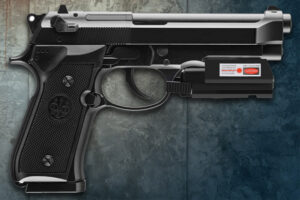

When it comes to TASER technology, there’s a significant difference between what police use and what civilians can purchase. Law enforcement models pack more power and advanced features, while civilian versions focus on user-friendliness. But what does this mean for safety and effectiveness? Understanding these differences could change how you think about personal protection. Let’s explore the specifics and implications behind these two categories of TASERs.
Overview of TASER Technology
TASER technology represents a significant advancement in law enforcement tools aimed at incapacitating a suspect without causing permanent harm. These devices use electrical currents to disrupt voluntary muscle control, allowing officers to gain control of a situation safely.
You’re dealing with a non-lethal option that minimizes the risk of serious injury compared to traditional weapons. When activated, a TASER fires two probes that deliver a high-voltage shock, temporarily immobilizing the target. This incapacitation can help officers de-escalate confrontations without resorting to lethal force.
Plus, TASERs are lightweight and easy to carry, making them practical for everyday use. Overall, this technology aims to enhance public safety while providing law enforcement with an effective means of control.
TASER Models for Law Enforcement
Several models of TASERs are available for law enforcement, each designed to meet specific operational needs.
The TASER X2, for instance, offers dual shots, allowing officers to deploy a second shot without reloading, which can be essential in high-stress situations.
The TASER X26P is another popular choice, known for its compact design and efficiency.
Additionally, the TASER 7 features advanced targeting and connectivity options, enhancing situational awareness for officers.
These models not only emphasize effectiveness but also prioritize safety, as they’re engineered to minimize the risk of serious injury.
As a law enforcement officer, choosing the right TASER model can greatly impact your response capabilities in critical encounters.
Each option equips you to handle various scenarios more effectively.
TASER Models for Civilians
While law enforcement agencies rely on various TASER models for their specific needs, civilians also have access to options designed for personal safety.
The most popular models for civilians include the TASER Pulse and the TASER StrikeLight. The Pulse is compact, easy to carry, and can incapacitate an attacker with a 30-foot range. It also features a built-in flashlight, making it a versatile choice for nighttime situations.
The StrikeLight combines a stun gun with a flashlight, offering a discreet self-defense option. Both models are user-friendly, allowing you to feel confident in stressful situations.
When considering a TASER for personal safety, it’s essential to understand local laws and regulations governing their use.
Key Differences Between Police and Civilian TASERs
Although both police and civilian TASERs serve the primary purpose of self-defense, there are significant differences in their design, functionality, and intended use.
Police TASERs are typically more powerful, delivering higher voltage and range, allowing officers to incapacitate suspects from a greater distance. They often come equipped with additional features like data recording and multiple firing modes, which are essential for law enforcement situations.
Civilian TASERs, on the other hand, are designed for personal protection, focusing on ease of use and portability. They might have lower voltage and fewer features, making them more user-friendly for non-professionals.
Ultimately, these distinctions guarantee that each type of TASER meets the specific needs of its users effectively.
Legal Regulations Governing TASER Use
As law enforcement agencies increasingly adopt TASERs, understanding the legal regulations governing their use becomes essential for both officers and the public.
TASERs are classified as less-lethal weapons, but their deployment is subject to strict guidelines. Laws vary by state and locality, often outlining when and how TASERs can be used. Officers must typically adhere to protocols that guarantee they use TASERs only in situations where non-lethal force is appropriate.
Additionally, departments may have policies requiring documentation of every TASER discharge, emphasizing accountability. You should also be aware that misuse can lead to legal repercussions for both the officer and the department.
Staying informed about these regulations helps guarantee that TASER use remains safe and justified in law enforcement practices.
Training Requirements for Law Enforcement Officers
To guarantee effective and safe use of TASERs, law enforcement officers undergo thorough training that covers both the technical aspects of the devices and the ethical considerations surrounding their deployment.
You’ll learn how to properly handle and operate a TASER, ensuring you understand its features and functions. This training includes practical exercises to build your confidence in using the device under various scenarios.
Additionally, you’ll explore the legal and ethical implications of deploying a TASER, emphasizing the importance of making sound judgment calls.
Understanding when and how to use this tool responsibly is essential. The training also reinforces the need for de-escalation techniques, ensuring you prioritize safety for both yourself and the public in high-pressure situations.
Safety Features and Limitations
When considering the safety features and limitations of TASERs, it’s vital to recognize that, while these devices can effectively incapacitate a suspect, they aren’t without risks.
TASERs are designed with safety features like automatic shut-off and a limited range, which help minimize potential harm. However, they can still cause injuries, particularly in individuals with certain medical conditions or when used excessively.
You should also be aware that TASERs may not work effectively on individuals under the influence of drugs or those wearing thick clothing.
Additionally, while they can temporarily incapacitate, they’re not a foolproof method for control.
Always remember that understanding these limitations is important for responsible use and ensuring safety for everyone involved.
The Role of TASERs in Personal Safety Strategies
While many people prioritize personal safety, incorporating TASERs into your self-defense strategies can provide an added layer of protection. These devices are designed to incapacitate an attacker temporarily, allowing you to escape dangerous situations.
When you carry a TASER, you gain a sense of empowerment, knowing you have a non-lethal option to defend yourself. It’s essential to familiarize yourself with your TASER’s operation, ensuring you’re comfortable using it under stress.
Additionally, consider pairing it with other safety measures, like self-defense courses or personal alarms. Remember, the goal is to deter potential threats and enhance your confidence.