

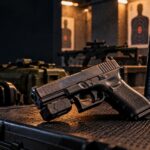





If you’re considering carrying a concealed firearm in Vermont, you should know the laws that govern it. Vermont allows you to carry without a permit, but there are essential rules you’ll need to follow. Understanding who can carry, what responsibilities come with it, and where restrictions apply is vital. So, what do you really need to keep in mind to stay compliant and safe? Let’s explore the specifics.
Overview of Vermont’s Firearm Ownership Laws
When it comes to firearm ownership in Vermont, the laws are relatively straightforward and permissive. You don’t need a permit to purchase a firearm, and there’s no registration requirement for guns. This means you can buy a firearm from a licensed dealer or a private seller without the hassle of paperwork.
However, it’s crucial to understand that federal laws still apply, including background checks when buying from licensed dealers. You’re allowed to carry firearms openly, which is a common practice in the state.
While Vermont is known for its friendly approach to gun ownership, you must still comply with specific regulations regarding the use and transport of firearms. Always stay informed about updates to the laws to ensure responsible ownership.
Who Can Carry a Concealed Firearm in Vermont
Although Vermont has a permissive stance on firearm ownership, there are specific criteria for who can carry a concealed firearm.
To legally carry a concealed weapon, you must be at least 16 years old. However, if you’re under 18, you’ll need parental consent and can only carry under certain conditions.
You must also be a U.S. citizen or legal resident, and it’s essential to be free of felony convictions or certain serious offenses. Additionally, you shouldn’t have any mental health adjudications that could restrict your right to possess firearms.
Always remember to familiarize yourself with local laws, as they can vary, and ensure you’re responsible and safe in your actions while carrying.
Responsibilities of Concealed Carry Holders
Carrying a concealed firearm comes with significant responsibilities that every holder must understand and uphold.
First and foremost, you must ensure your firearm is securely concealed and not visible to the public. Always prioritize safety by treating your firearm as if it’s loaded, keeping your finger off the trigger until you’re ready to shoot.
Stay informed about local laws and regulations, as they can vary. You should also practice proper storage to prevent unauthorized access, especially around children.
Additionally, it’s vital to remain calm and composed in any situation where you may need to draw your firearm.
Lastly, consider taking training courses to enhance your skills and knowledge, ensuring you’re prepared for any scenario while carrying.
Restrictions on Carrying Concealed Firearms
Understanding the restrictions on carrying concealed firearms is crucial for every permit holder.
In Vermont, while you don’t need a permit to carry concealed, there are still important rules to follow. You can’t carry in certain locations, such as schools, government buildings, or private property that prohibits firearms.
Always be aware that businesses have the right to ask you not to carry on their premises. Additionally, if you’re consuming alcohol, it’s illegal to carry your firearm.
Make sure you stay updated on local laws, as municipalities may have their own regulations. Respecting these restrictions not only keeps you compliant but also promotes safety for everyone around you.
Always prioritize responsible and lawful firearm ownership.
Safe Storage and Transport of Firearms
Proper storage and transport of firearms is vital for maintaining safety and compliance with Vermont laws. When you’re at home, store your firearms securely in a locked cabinet or safe. This prevents unauthorized access, especially by children. Use trigger locks or cable locks to enhance safety further.
When transporting your firearm, keep it unloaded and in a case. Make sure it’s not easily accessible while you’re driving. It’s a good idea to store ammunition separately from the firearm.
Familiarize yourself with any specific regulations regarding transport, especially if you’re crossing state lines. By following these guidelines, you can help ensure your firearms are stored and transported safely, minimizing risks and promoting responsible ownership.
Resources for Further Information on Vermont Gun Laws
If you’re looking to stay informed about Vermont gun laws, there are several reliable resources available.
The Vermont Department of Public Safety offers updated legal information, including changes and requirements. You can also check the Vermont Secretary of State’s website for legislative updates and official documents.
Local law enforcement agencies often provide guidance on enforcement practices and community regulations. Additionally, organizations such as the National Rifle Association (NRA) and Gun Owners of America (GOA) offer resources and advocacy related to gun rights.
Lastly, consider joining local gun clubs or forums, where members share insights and experiences. Staying connected with these resources will help you navigate Vermont’s gun laws effectively.
Conclusion
In conclusion, while Vermont’s concealed carry laws let you carry without a permit, it’s essential to know the rules. Make sure you’re eligible and understand your responsibilities as a concealed carry holder. Always be aware of the restrictions on where you can carry and prioritize safe storage and transport of your firearms. Staying informed helps ensure that you respect the law and promote responsible gun ownership in your community. Stay safe and responsible!


Christopher Joseph

Christopher Joseph writes for USA Self Defense Centers, covering personal safety, martial arts, tactical preparedness, and self-defense products. His background includes training in Brazilian Jiu-Jitsu, Muay Thai, Krav Maga, Escrima, and tactical defense, along with an education in criminal justice as well as communications. He combines this practical and academic experience to provide clear, lawful guidance that helps readers make informed decisions about protecting themselves and their families.


