

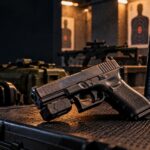





If you’re considering carrying a firearm in Minnesota, it’s crucial to understand the legal requirements involved. You need to meet specific eligibility criteria, complete a state-approved training course, and follow the application process closely. But that’s just the beginning. There are also important restrictions and responsibilities that come with holding a permit. What you might not realize is how these factors can impact your daily life and safety.
Eligibility Criteria for a Permit to Carry in Minnesota
To qualify for a permit to carry in Minnesota, you must meet specific eligibility criteria.
First, you need to be at least 21 years old and a U.S. citizen or a permanent resident. You can’t have any felony convictions or domestic violence misdemeanors on your record.
Additionally, you shouldn’t be a habitual user of controlled substances or have a history of mental illness that could impair your judgment. It’s also important that you haven’t been committed to treatment for a mental illness.
Lastly, you must provide proof of residency in Minnesota.
If you meet these requirements, you can proceed with the application process to obtain your permit and carry a firearm legally within the state.
Required Training and Education for Applicants
Once you’ve confirmed your eligibility for a permit to carry in Minnesota, the next step involves completing the required training and education.
You’ll need to successfully complete a training course that covers firearm safety, handling, and laws related to carrying a firearm. This course must be at least 1 hour long and can be taught by an instructor certified by the state.
You’ll also learn about the responsibilities that come with carrying a firearm, including conflict resolution and de-escalation techniques.
After finishing the course, you’ll receive a certificate of completion, which you’ll need for your application. Make sure to keep this certificate handy, as it’s an essential part of demonstrating your preparedness to carry legally.
Application Process for Obtaining a Permit
The application process for obtaining a permit to carry in Minnesota involves several clear steps.
First, you’ll need to complete a firearms training course approved by the state. After that, gather the necessary documents, including proof of training and identification.
Next, you’ll fill out the application form, which you can obtain from your local sheriff’s office or online. Once completed, submit your application along with the required documents to your county sheriff.
They’ll conduct a background check, which typically takes up to 30 days. If approved, you’ll receive your permit in the mail.
Remember to keep your permit with you whenever you’re carrying a firearm, as it’s required by law. Follow these steps carefully to ensure a smooth application process.
Fees Associated With the Permit to Carry
After submitting your application for a permit to carry, it’s important to be aware of the associated fees.
In Minnesota, the application fee typically ranges from $100 to $150, depending on where you apply. This fee covers the processing of your application and the background check.
Additionally, if you’re required to take a training course, you’ll need to factor in those costs, which can vary widely based on the provider and location. Some classes may charge between $50 and $200.
Remember, these fees are non-refundable, so make sure you meet all requirements before submitting your application.
Keeping track of these expenses ensures you’re prepared for the financial commitment involved in obtaining your permit.
Restrictions and Prohibited Areas
Understanding where you can and can’t carry your firearm is crucial for permit holders in Minnesota.
First, you can’t carry in schools, government buildings, or places where alcohol is served. Additionally, you should avoid private property where the owner prohibits firearms, as trespassing laws apply.
Don’t forget about public events or gatherings; it’s often illegal to carry there, too. Also, carrying in the presence of someone who’s consuming alcohol can lead to serious consequences.
Be mindful of areas designated as “restricted,” like certain parks or beaches. Always stay informed about local ordinances, as they can vary by city or county.
Adhering to these restrictions helps ensure your right to carry responsibly and legally.
Renewing Your Permit: What You Need to Know
When it comes time to renew your Minnesota permit to carry, being prepared is key to a smooth process. Start by checking the expiration date on your current permit—renewals typically occur every five years.
Gather necessary documents, including your existing permit and proof of residency. You’ll also need to complete a renewal application, which is often available online or at your local sheriff’s office.
Pay attention to any fees associated with the renewal process, and be ready to submit payment. While you generally won’t have to undergo a background check again, it’s wise to verify any specific requirements in your county.
Finally, submit your application well before your permit expires to avoid any lapses in your legal ability to carry.
Legal Responsibilities of Permit Holders
As you carry your permit, it’s crucial to recognize the legal responsibilities that come with it. You must always comply with local laws and regulations regarding firearm possession and use. This means keeping your permit valid and updated, and reporting any changes in your address or personal information to the authorities.
When carrying, ensure your firearm is concealed or displayed according to Minnesota law. You also need to understand when you can use force, including deadly force, as misuse can lead to serious legal consequences.
Always be aware of your surroundings and avoid confrontations when possible. Remember, carrying a firearm isn’t just about the right to bear arms, but also about being a responsible and law-abiding citizen.
Conclusion
In conclusion, if you’re looking to carry a firearm legally in Minnesota, make sure you meet the eligibility criteria, complete the required training, and follow the application process closely. Be mindful of the fees and the specific restrictions on where you can carry. Remember, staying informed about your legal responsibilities as a permit holder is crucial for your safety and compliance with the law. Keep these points in mind, and you’ll be on the right track to carrying responsibly.


Christopher Joseph

Christopher Joseph writes for USA Self Defense Centers, covering personal safety, martial arts, tactical preparedness, and self-defense products. His background includes training in Brazilian Jiu-Jitsu, Muay Thai, Krav Maga, Escrima, and tactical defense, along with an education in criminal justice as well as communications. He combines this practical and academic experience to provide clear, lawful guidance that helps readers make informed decisions about protecting themselves and their families.


