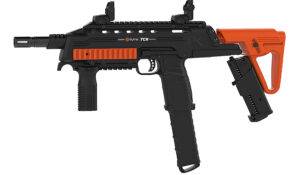

If you’re considering owning a TASER, it’s essential to understand the legal landscape surrounding these devices. While federal laws classify TASERs as less-lethal weapons, state and local regulations can vary greatly. This means what’s legal in one area might not be in another. So, before making any decisions, you’ll want to know the specific rules that apply to you. What do you need to keep in mind?
Understanding TASERs and Stun Guns
When you’re considering personal safety, have you ever thought about the differences between TASERs and stun guns? Both devices serve to incapacitate an attacker, but they work quite differently.
A TASER shoots electrical probes that deliver a high-voltage shock, allowing you to incapacitate someone from a distance—typically up to 15 feet. This can give you a significant advantage in a dangerous scenario.
On the other hand, stun guns require direct contact with the assailant to deliver their shock, which can be less effective if the assailant is moving. Understanding these key differences helps you make an informed choice about self-defense options.
Ultimately, knowing how each device functions can empower you to enhance your personal safety strategy effectively.
Federal Laws Governing TASER Ownership
Understanding the differences between TASERs and stun guns is important, especially when considering legal ownership.
Under federal law, TASERs are classified as less-lethal weapons, and civilians can generally own them. The Federal Bureau of Alcohol, Tobacco, Firearms and Explosives (ATF) doesn’t categorize TASERs as firearms, meaning they don’t require the same licensing or registration.
However, it’s essential to recognize that while federal law permits ownership, you still need to comply with any local regulations. Always check if there are any restrictions or requirements in your area, as these can vary widely.
Keeping informed will help you navigate the complexities of TASER ownership legally and safely. Stay aware of any changes in laws to guarantee you’re compliant.
State-Specific Regulations on TASERs
Each state has its own set of regulations regarding TASER ownership, which can greatly affect your ability to legally possess one. In some states, you may face no restrictions at all, allowing you to purchase and carry a TASER with ease.
However, other states impose strict regulations, requiring permits or certifications. Certain states may classify TASERs as firearms, making them subject to more stringent laws.
Additionally, age restrictions can vary, with some states prohibiting minors from owning TASERs. Before acquiring a TASER, it’s vital to research your state’s laws to guarantee compliance.
Ignoring these regulations could lead to serious legal consequences, so staying informed is essential for responsible ownership.
Local Ordinances and Restrictions
While state regulations provide a general framework for TASER ownership, local ordinances can impose additional restrictions that you need to be aware of. Depending on where you live, these laws can vary considerably.
Some cities or counties may completely prohibit civilian ownership of TASERs, while others might require permits or specific training before you can carry one. You might also find regulations regarding how and where you can use a TASER. For example, some areas may restrict use in public places or during specific situations.
To guarantee you’re compliant, it’s essential to research your local laws and consult with local authorities. Ignoring these ordinances could lead to legal issues, so stay informed and take the necessary steps to protect yourself.
Comparing TASERs to Other Self-Defense Weapons
When considering self-defense options, it’s crucial to compare TASERs with other weapons like pepper spray, stun guns, and personal alarms.
TASERs deliver an electric shock, incapacitating an attacker for a short time, which can give you a chance to escape. In contrast, pepper spray creates a temporary blindness and intense burning sensation, allowing for a quick getaway without physical contact.
Stun guns also deliver an electric shock but require direct contact with the attacker. Personal alarms, while not physically incapacitating, can attract attention and deter threats.
Each option has its pros and cons, so consider factors like effectiveness, ease of use, and legality in your area to determine which self-defense weapon feels right for you.
Age and Eligibility Requirements
Have you ever wondered what age restrictions apply to owning a TASER? Generally, you must be at least 18 years old to legally purchase and possess one.
Some states may have stricter rules, requiring you to be 21, so it’s important to check your local laws. If you’re underage, you usually can’t buy a TASER, but some jurisdictions allow minors to possess one with parental consent.
Remember that eligibility isn’t just about age; certain felony convictions might disqualify you from ownership altogether.
Always do your research and consult local regulations before making a purchase. It’s vital to guarantee you meet all eligibility requirements to avoid any legal issues down the line.
Permits and Licensing for TASER Ownership
Owning a TASER isn’t just about meeting age requirements; you also need to contemplate permits and licensing. Before purchasing, check your state or local laws, as regulations vary widely.
Some places require you to obtain a permit or register your TASER, while others may have no such requirements. You’ll want to make certain you’re complying with any mandatory training or safety courses, too. This can help you understand how to use the device safely and legally.
It’s essential to stay informed about any changes in legislation, as rules about TASER ownership can evolve. Always keep your documentation handy, as you may need to show proof of ownership or permits if questioned by law enforcement.
Legal Consequences of Improper Use
Improper use of a TASER can lead to serious legal repercussions, even if you believe you’re acting in self-defense.
If you use your TASER inappropriately, you could face criminal charges such as assault, battery, or even manslaughter, depending on the circumstances and severity of the incident. Courts often scrutinize the justification for using such a device, especially if it appears excessive or unwarranted.
Additionally, you may be liable for civil damages if someone is injured or harmed due to your actions. It’s essential to understand that just because you own a TASER doesn’t mean you can use it freely.
Always prioritize de-escalation and be aware of the laws governing self-defense in your area to avoid these potential pitfalls.
Resources for Checking TASER Laws in Your Area
How can you guarantee you’re compliant with local TASER laws? Start by visiting your state’s government website, which usually contains up-to-date legal information regarding weapons and self-defense tools.
You can also check local law enforcement agencies’ websites; they often provide specific regulations and guidelines. Additionally, online legal resources like Nolo or Justia can help clarify TASER ownership laws in your area.
Don’t forget to join local forums or community groups focused on self-defense—they can be valuable for firsthand experiences and advice.
If you’re unsure, consulting a legal professional is always a good idea. Staying informed makes certain you’re using a TASER responsibly and legally, protecting both yourself and others.