

TL;DR
Choosing between a Byrna pepperball gun and a Taser depends on your specific self-defense needs and environment. The Byrna excels in outdoor scenarios with its extended range (up to 60 feet), multiple shot capacity, and ability to neutralize threats from a distance. The Taser is better suited for indoor use with its single-shot precision, immediate incapacitation effect, and clean deployment without creating a pepperball cloud that could affect you in confined spaces. Both are effective less-than-lethal options, but the Byrna offers tactical advantages for distance engagement while the Taser provides reliable close-range stopping power without environmental complications.
Self-defense is a critical concern for many, and choosing the right less-than-lethal option can be a daunting task. The Byrna Pepperball Gun and the Taser are two prevalent choices, each with its unique advantages and limitations. Understanding these can help you make the best decision for your personal security needs.
Byrna Pepperball Gun: Master of Distance
The Byrna Pepperball Gun shines in its practicality and versatility, especially at longer distances. The key advantage here is its ability to fire multiple shots. This multi-shot capability is a significant edge over the Taser’s single-shot limit. In a situation where your first attempt might miss, the Byrna ensures you’re not left defenseless.

Another crucial aspect of the Byrna is its extended range. This feature is invaluable when dealing with threats from afar. The ability to neutralize a threat effectively from a distance can be a game-changer, particularly in outdoor scenarios where you have more space to maneuver.
Taser: Close-Range Efficiency
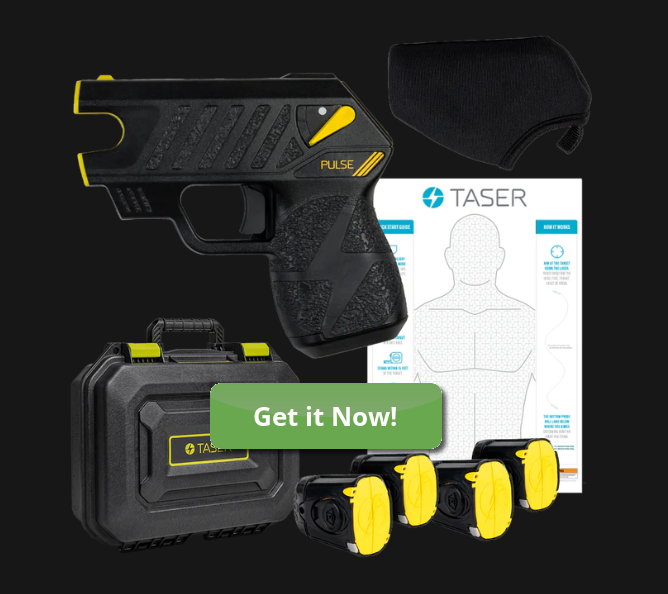
While the Taser is limited to one shot, it offers remarkable efficiency and reliability at close range. In indoor environments, where creating a pepperball cloud (a feature of the Byrna) might be less desirable, the Taser’s immediate incapacitation effect can be crucial. The lack of a pepperball cloud also means a cleaner environment, which is essential indoors.
Close-Range Considerations: Choosing the Right Tool
At close range, the Byrna’s pepperball cloud can be a liability, potentially affecting the user as well. Here, the Taser’s single-shot precision comes into play, offering a more controlled and direct approach without the risk of a pepperball cloud.
Complementing Your Defense: The Role of Tactical Flashlights
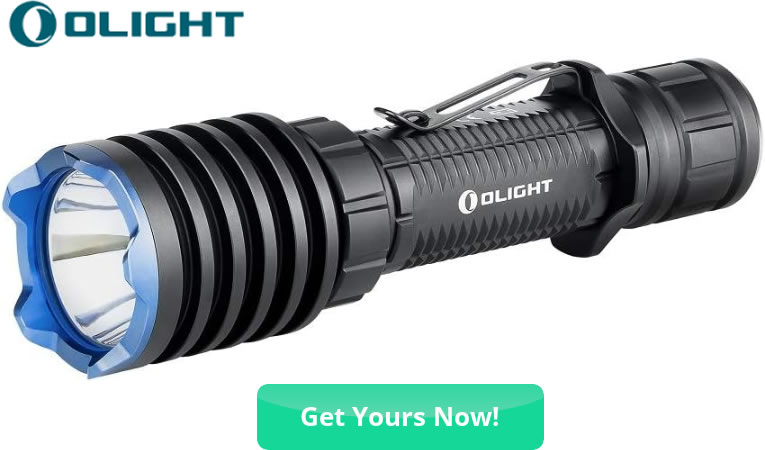
No matter which option you choose, having a secondary self-defense tool is crucial. A high-lumen tactical flashlight is an ideal companion for either the Byrna or the Taser. It serves the dual purpose of disorienting an attacker with its blinding light and acting as a blunt force weapon in close combat scenarios.
Indoor vs. Outdoor Scenarios: Making the Right Choice
For indoor use, where you might want to avoid the pepperball cloud, the Taser is preferable due to its clean and direct approach. Conversely, in outdoor situations where you have more space and might engage threats from a distance, the Byrna’s extended range and multi-shot capability offer a distinct advantage.
The Verdict: Byrna or Taser?
Both the Byrna pepperball gun and the Taser are excellent less-than-lethal defense options. The Byrna is ideal for outdoor situations where its longer range and multiple shots provide a tactical advantage. In contrast, the Taser is more suited to indoor scenarios where its single-shot precision and lack of a pepperball cloud are beneficial.

Regardless of your choice, pairing your primary defense tool with a high-lumen tactical flashlight ensures you’re prepared for various scenarios. This combination offers the flexibility and readiness needed for effective personal security.
Key Takeaways
- Range Advantage: The Byrna offers superior range capabilities, allowing you to engage threats from a safe distance, while Tasers are most effective at close range.
- Multi-Shot vs Single-Shot: Byrna provides multiple shot capacity for follow-up opportunities if you miss, whereas Tasers typically offer only one shot before requiring reload or replacement cartridges.
- Indoor vs Outdoor Use: Tasers are preferable indoors due to their clean deployment without pepperball clouds, while Byrnas excel in outdoor scenarios where range and space are available.
- Environmental Impact: Byrna creates a pepperball cloud that can affect both attacker and user in confined spaces, making Tasers better for enclosed environments.
- Immediate Effectiveness: Tasers provide instant incapacitation through electrical disruption, while Byrnas rely on chemical irritants that may take moments to take full effect.
- Tactical Flexibility: Byrnas offer more ammunition options (inert, OC, tear gas projectiles) compared to Taser’s standardized electrical cartridges.
- Secondary Defense Recommendation: Both devices should be paired with a high-lumen tactical flashlight for disorientation and backup blunt force capability.
- Legal Considerations: Both devices have varying legal restrictions depending on your location, so verify local laws before purchasing or carrying.
- Training Requirements: Both devices require proper training to use effectively, but Byrnas may need additional practice due to their projectile-based nature.
- Maintenance and Costs: Consider ongoing costs for replacement cartridges (Taser) versus projectile refills (Byrna) when making your decision.
In conclusion, when it comes to self-defense, it’s essential to choose a tool that suits your environment and personal preferences. Both the Byrna and the Taser have their place, and understanding their strengths will help you stay safe and prepared. Remember, the best defense is a well-planned one.


