
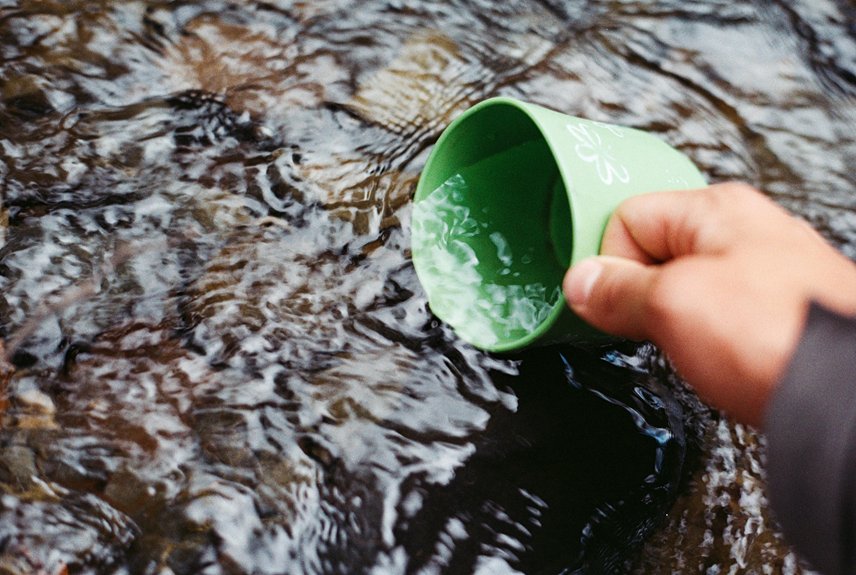
Imagine setting up camp beside a crystal-clear lake, surrounded by towering pines, with nothing but the sound of rustling leaves and chirping birds. Primitive camping invites you to step away from modern conveniences and immerse yourself in the simplicity of nature. By relying on your skills for shelter and sustenance, you can discover a deeper connection with the wilderness. What skills will you need to thrive in this back-to-basics adventure?
Understanding Primitive Camping
Have you ever wondered what it’s like to truly disconnect from the hustle and bustle of everyday life?
Primitive camping offers you a chance to immerse yourself in nature, stripped of modern conveniences. You’ll set up camp in remote areas, often without amenities like running water or electricity. This experience encourages self-sufficiency as you learn to rely on your skills for shelter, food, and navigation.
Picture yourself gathering firewood, cooking over an open flame, and falling asleep under a starlit sky. It’s about reconnecting with the earth, embracing simplicity, and enjoying the raw beauty around you. Additionally, having a portable alarm can enhance your safety while you enjoy the seclusion of nature.
The Principles of Back-to-Basics Living
Primitive camping sets the stage for embracing back-to-basics living, where simplicity reigns supreme and every moment becomes an opportunity for connection with nature.
You’ll discover the joy of minimalism, prioritizing experiences over possessions. By shedding the distractions of modern life, you can immerse yourself in the beauty of your surroundings, fostering a deeper appreciation for the environment.
Embracing self-sufficiency becomes essential; you’ll learn to gather resources and create your own shelter, food, and warmth. This lifestyle encourages mindfulness, as you focus on the essentials and cultivate gratitude for what you have.
Ultimately, back-to-basics living invites you to reconnect with yourself and the world around you, transforming your outdoor adventures into profound journeys of discovery and personal growth.
Essential Gear for Primitive Camping
When it comes to essential gear for primitive camping, packing wisely can make all the difference in your outdoor experience.
First, a sturdy tent or tarp provides shelter against the elements. Next, a reliable sleeping bag rated for the season guarantees a warm night’s rest.
You’ll also want a portable cooking stove or fire-starting kit; nothing beats a hot meal after a long day. Don’t forget a high-quality water filter or purification tablets to keep hydrated.
A multi-tool or knife is invaluable for various tasks, while a first aid kit guarantees safety.
Finally, pack durable clothing and sturdy boots for comfort and protection. With the right gear, you’re set to embrace the wild with confidence and excitement!
Finding the Perfect Campsite
Finding the perfect campsite can elevate your primitive camping experience from ordinary to unforgettable.
Start by scouting for a flat, dry area away from potential hazards like dead trees or flooding streams. Look for natural windbreaks, such as hills or dense foliage, to protect your tent from the elements. Ideally, you want to be near water, but not too close—set up at least 200 feet away to maintain a safe distance.
Pay attention to the sun’s path; a spot with morning sun can warm you up quickly.
Finally, embrace the beauty of your surroundings. Choose a site that offers stunning views or access to trails, turning your campsite into a gateway for adventure.
Happy camping!
Safety and Preparedness in the Wilderness
While the allure of the wilderness calls you to explore, safety and preparedness should be your top priorities.
Before you head out, pack a well-stocked first-aid kit, including essentials like bandages, antiseptics, and pain relievers. Always let someone know your itinerary and estimated return time. Familiarize yourself with the area’s wildlife and weather conditions, as they can change rapidly.
Carry a reliable map and compass, and know how to use them—technology can fail. Stay hydrated by carrying enough water and a purification method. Bring a multi-tool for various tasks, and set up camp away from hazards like dead trees.
Skills to Master for Primitive Camping
Mastering specific skills can elevate your primitive camping experience, allowing you to navigate the wilderness with confidence.
Start by honing your fire-making skills—knowing how to start a fire without matches is fundamental for warmth and cooking.
Next, practice building a shelter using natural materials like branches and leaves; this guarantees protection from the elements.
Foraging is another essential skill; learn to identify edible plants and berries to supplement your food supply.
Knot-tying is important, too; mastering a few reliable knots can aid in constructing shelters or securing gear.
Finally, familiarize yourself with basic navigation using a map and compass.
Each skill you develop adds to your self-sufficiency and enhances your connection to nature, making your primitive camping adventure truly memorable.
The Benefits of Embracing Nature Without Distractions
When you immerse yourself in nature without the distractions of modern life, you open up a world of benefits that can rejuvenate your mind and spirit.
Leaving behind your phone and other devices allows you to reconnect with your surroundings, fostering mindfulness and awareness. You’ll discover the soothing sounds of rustling leaves and flowing water, which can greatly reduce stress and anxiety.
Engaging with the natural world also boosts creativity, as you tap into your instincts and imagination. You’ll likely experience improved focus and clarity, enabling you to reflect on your life and goals.
Plus, the physical activity involved in hiking and exploring invigorates your body, enhancing your overall well-being.
Embrace this adventure, and let nature inspire and recharge you.