
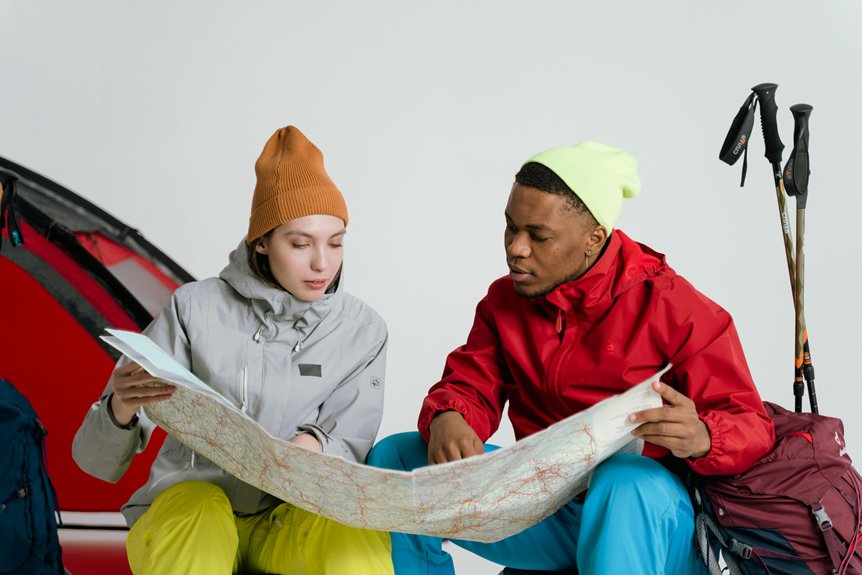
Envision this: you’re standing at the trailhead, backpack on, but you realize you forgot your cooking gear. It’s a frustrating scenario that can easily be avoided. To guarantee a smooth camping experience, you need to pack efficiently. By evaluating your needs and organizing your gear, you can prevent common packing mistakes. Let’s explore some practical tips that will simplify your outdoor adventure and keep you well-prepared for whatever nature throws your way.
Assess Your Camping Needs
How do you determine what you really need for your camping trip? Start by contemplating the duration of your stay and the environment you’ll be in. Are you camping in a remote area or a well-equipped campground?
Think about the activities you plan to do—hiking, fishing, or simply relaxing. This will help you figure out what gear and supplies are essential.
Next, evaluate your group size and individual needs. Will everyone need their own sleeping bag, or can you share?
Don’t forget to take dietary restrictions into account when planning meals.
Finally, check the weather forecast to ascertain clothing and gear requirements. Additionally, consider bringing a portable alarm like the HOZOL Trip Wire Alarm to enhance your security while camping. By evaluating these factors, you can pack efficiently and guarantee you’ve got everything you need for an enjoyable experience.
Create a Packing Checklist
Creating a packing checklist is vital for a successful camping trip. Start by categorizing your items into essentials, clothing, food, and gear. This helps you visualize what you need.
As you jot down items, consider the duration of your trip and the activities you’ll be doing. Don’t forget personal items like toiletries and medications.
It’s also helpful to include a checklist for group camping to guarantee everyone brings their share. Once you’ve listed everything, review it a couple of times to avoid missing anything critical.
Finally, pack your items according to your checklist, crossing off each item as you load it. This way, you’ll feel organized and ready to enjoy the great outdoors without the stress of forgetting something important!
Choose the Right Gear
Selecting the right gear can make or break your camping experience. Start with a sturdy tent that suits your group size and weather conditions.
Don’t forget a sleeping bag rated for the temperatures you’ll face; comfort is key! Invest in a reliable camping stove and portable cookware, as meals can elevate your trip.
Choose lightweight, durable clothing that layers well for varying weather. Footwear matters too—opt for sturdy hiking boots to keep your feet protected.
A quality backpack is essential; it should fit well and distribute weight evenly. Finally, consider outdoor essentials like a first-aid kit, flashlight, and multi-tool.
Organize Your Pack Efficiently
While organizing your pack might seem tedious, it’s essential for a smooth camping experience. Start by grouping similar items together: keep cooking gear in one section, clothing in another, and first aid supplies easily accessible.
Use stuff sacks or ziplock bags to separate smaller items, preventing chaos when you need something quickly. Place heavier items closer to your back to maintain balance and stability while hiking.
Don’t forget to utilize all available pockets for quick access to essentials like snacks or a map. Finally, make a checklist to verify you’ve packed everything and can find it when needed.
An organized pack not only saves time but also enhances your overall camping enjoyment.
Use Space-Saving Techniques
To maximize space in your camping pack, you’ll want to employ a few clever techniques that make a big difference.
First, roll your clothes instead of folding them; this technique saves space and minimizes wrinkles. Next, use packing cubes or compression bags to keep items organized and compact.
Don’t forget to stuff smaller items, like socks or a first-aid kit, inside your shoes to utilize every inch. When it comes to bulky gear, like sleeping bags, consider using a stuff sack to compress it further.
Finally, prioritize multi-functional items—like a jacket that doubles as a pillow—so you can reduce the number of things you carry.
These space-saving strategies will give you more room for essentials on your camping adventure.
Pack Food and Cooking Supplies Wisely
Packing food and cooking supplies wisely is essential for a successful camping trip. Start by planning your meals ahead of time to avoid excess. Opt for non-perishable items like canned goods, pasta, and rice, which can save space and reduce spoilage.
Use airtight containers or resealable bags to keep food fresh and organized. Don’t forget essential cooking tools—think a portable stove, lightweight pots, and utensils. Consider multi-use items; a spatula can double as a serving spoon.
Pack a compact cooler for perishables and ice packs to keep everything chilled. Finally, designate a spot in your pack for the cooking supplies, ensuring easy access during meal prep.
With careful packing, you’ll enjoy delicious meals under the stars.
Prepare for Weather Conditions
When you’re heading out for a camping adventure, being prepared for various weather conditions can make all the difference in your experience.
Start by checking the forecast for your destination, so you know what to expect. If rain’s on the horizon, pack a waterproof jacket and quick-dry clothing. For sunny days, don’t forget sunscreen and a wide-brimmed hat to protect yourself from UV rays.
In cooler temperatures, layering is key—bring thermal base layers, insulating jackets, and warm socks. Also, consider wind chill; a sturdy windbreaker can keep you comfortable.
Finally, prepare for unexpected changes by packing a lightweight emergency poncho. With the right gear, you’ll be ready to tackle whatever Mother Nature throws your way!
Don’t Forget the Essentials
After you’ve tackled the weather, it’s time to focus on the must-have items that will keep your camping experience enjoyable and stress-free.
First, pack a reliable tent and sleeping gear—don’t skimp on comfort! Next, gather cooking supplies like a portable stove, utensils, and food storage containers.
Water is vital, so bring a sufficient supply or a water filter. Don’t forget a first-aid kit for unexpected scrapes or injuries. For safety, include a flashlight and extra batteries.
Finally, pack personal items like toiletries and insect repellent. By ensuring you have these essentials, you’ll set yourself up for a successful trip.
With preparation, you can relax and truly enjoy the beauty of nature. Happy camping!